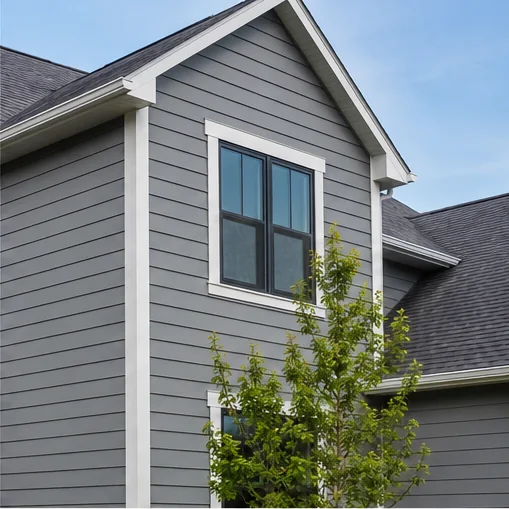
Buying your first home in Coon Rapids is exciting, but the inspection is where excitement meets reality. This city sits on the Anoka sandplain along the Mississippi River in Anoka County, and that geography shapes what inspectors find here. The housing stock leans heavily toward 1960s through 1980s ramblers and split-levels, with riverfront properties and newer infill mixed in. Each era and location carries its own signature issues, from elevated radon in the sandy soil to ice dams, hail-battered roofs, aging electrical panels, and clay sewer lines fighting tree roots. This guide walks first-time buyers through exactly what a Coon Rapids inspection covers, why local conditions matter, and how to use your inspection report to negotiate with confidence. When you are ready, you can build a free instant quote online in minutes.
In this guide
Why Coon Rapids Geography Changes Your InspectionRadon: The Invisible Issue You Cannot Skip HereRoofs, Ice Dams, and Storm Damage in the Northern MetroElectrical Panels: FPE, Zinsco, and Old Fuse BoxesFurnaces, Heat Exchangers, and Long Minnesota WintersSewer Lines, Tree Roots, and Hidden Water ProblemsWhy Coon Rapids Geography Changes Your Inspection
Coon Rapids sits on the Anoka sandplain, a broad deposit of glacial outwash sand that defines much of northern Anoka County. That sandy, fast-draining soil is generally kind to foundations because it does not swell and shrink the way heavy clay does, so you will see fewer dramatic foundation heaves here than in some metro suburbs. But the same porous ground that drains well is also a highway for radon gas, which is why this area carries some of the higher radon readings in the state. The Mississippi River forms the city's southern and western edge, and homes near the water face a different set of concerns: higher groundwater tables, sump pumps that run hard in spring, damp crawlspaces, and occasional grading that channels snowmelt toward foundations. A thorough Coon Rapids inspection reads the property in context. Your inspector should note soil and drainage at the lot, look closely at how water moves away from the home during our long thaw, and flag conditions that the sandplain and river proximity make more likely. Understanding this local backdrop helps you interpret the report instead of panicking at every note. It also explains why two similar-looking split-levels, one near the river and one inland, can produce very different findings.
Radon: The Invisible Issue You Cannot Skip Here
If you do only one extra thing during your Coon Rapids purchase, make it a radon test. The porous Anoka sandplain lets radon, a naturally occurring radioactive gas from soil, migrate easily into basements and lower levels. Anoka County routinely posts average indoor radon levels well above the EPA action threshold of 4 picocuries per liter, and Minnesota's seller disclosure law already requires sellers to share known radon information. For a first-time buyer, that means radon is not an exotic add-on; it is standard due diligence in this market. A proper test runs continuously, ideally for at least 48 hours under closed-house conditions, and many buyers add it to the home inspection so results arrive together. If levels come back elevated, the fix is well understood and not ruinous: a sub-slab depressurization system, essentially a sealed pipe and fan that vents soil gas above the roofline. Mitigation costs vary with home size, foundation type, and routing, but it is a routine improvement, not a deal-killer. The key is knowing before closing so you can negotiate who pays. Sellers near the river and in older slab-on-grade or block-foundation homes especially should expect buyers to ask. Build radon into your inspection plan from the start rather than scrambling after the offer.
Roofs, Ice Dams, and Storm Damage in the Northern Metro
Roofs take a beating in the northern Twin Cities, and Coon Rapids is squarely in hail and wind country. Spring and summer storms rolling across Anoka County regularly drop hail that bruises asphalt shingles, knocks granules loose, and dents soft metals like gutters, flashing, and roof vents. Your inspector will look for the telltale circular bruises and exposed mat that signal hail impact, because storm damage can qualify for an insurance claim, and timing matters. Winter brings the other big roof problem: ice dams. When attic heat melts snow that refreezes at the cold eaves, water backs up under shingles and leaks into ceilings and walls. The root cause is usually poor attic insulation and air sealing combined with weak ventilation, so a good inspection checks insulation depth, bath and kitchen fan venting, and soffit-to-ridge airflow, not just the shingles. On the 1960s through 1980s homes common here, you may also find roofs near the end of their service life or layered with a second course of shingles, both of which affect your budget and insurance. Ask your inspector to estimate remaining roof life and note any prior storm repairs. That single conversation can save a first-time buyer from a surprise five-figure expense in the first year of ownership.
Electrical Panels: FPE, Zinsco, and Old Fuse Boxes
The era that built much of Coon Rapids also installed electrical equipment now considered hazardous. Two brands top the watch list: Federal Pacific Electric (FPE) Stab-Lok panels and Zinsco panels. Both have documented histories of breakers that may fail to trip during an overload or short, meaning the very device meant to prevent fires can quietly stop protecting the home. Many insurers now refuse to write policies, or charge more, when these panels are present, so finding one matters for both safety and your closing. Older ramblers may still run on fuse boxes, which are not inherently dangerous but are often undersized for modern electrical loads and a sign that wiring upgrades may be overdue. A first-time buyer should expect the inspector to open the panel, identify the manufacturer, check for the right breaker sizing, and look for amateur additions, double-tapped breakers, and aluminum branch wiring from the mid-1960s and early 1970s. None of these findings should scare you off a good home, but they belong in your negotiation. Replacing an FPE or Zinsco panel is a defined, quotable job, and knowing about it before closing lets you ask the seller to address it or credit you. Walk into your Coon Rapids inspection expecting the panel to get real scrutiny.
Furnaces, Heat Exchangers, and Long Minnesota Winters
Heating systems work hard in Anoka County, where furnaces run for months on end. In the 1960s through 1980s housing stock common to Coon Rapids, you will often meet furnaces that are well past their typical 15-to-20-year life, even if they still fire up on inspection day. The single most important component your inspector evaluates is the heat exchanger, the metal chamber that separates combustion gases from the air blown through your home. When a heat exchanger cracks, it can allow carbon monoxide to leak into living space, a genuine safety hazard during a long sealed-up winter. Inspectors look for visible cracking, rust, flame disturbance, and signs of overheating, and they will recommend further evaluation by an HVAC technician when anything looks off, because a definitive verdict sometimes requires specialized tools. Beyond the heat exchanger, expect notes on furnace age, filter condition, venting, and whether the unit is sized and maintained for the home. Aging water heaters, missing carbon monoxide detectors, and improper combustion air also surface here. For a first-time buyer, the practical takeaway is simple: an old furnace that runs today can still be a near-term replacement cost, and a cracked heat exchanger is a safety issue you want resolved before you move in. Use these findings to plan your budget and your negotiation.
Sewer Lines, Tree Roots, and Hidden Water Problems
Some of the most expensive surprises in older Coon Rapids homes live underground. Many homes built before the 1980s have clay or cast-iron sewer laterals, the pipe that carries waste from your house to the city main. Clay pipe joints are notorious for letting in tree roots, and the mature boulevard trees common in established Anoka County neighborhoods send roots straight toward that steady water source. Over years, roots clog and crack the line, causing slow drains, backups, and eventually a costly dig-and-replace or trenchless repair. A standard home inspection does not include a camera scope of the sewer, so first-time buyers should strongly consider adding one. For a few hundred dollars, a sewer scope shows root intrusion, bellies, cracks, and offsets before you own the problem. Above ground, watch for the other water issues this area produces: damp basements and crawlspaces in riverfront and low-lying homes, sump pumps that should be tested and ideally have battery backup, foundation cracks in older block walls, and grading that lets snowmelt pool against the house. Your inspector will document moisture staining, efflorescence, and active leaks. Pairing a thorough inspection with a sewer scope gives you the fullest picture and the strongest negotiating position before closing.
Quick checklist
- Add a 48-hour radon test to your inspection. Elevated radon is common across the Anoka sandplain and Anoka County.
- Order a sewer scope on any home built before the 1980s to check clay or cast-iron laterals for root intrusion and cracks.
- Confirm the electrical panel brand. Flag Federal Pacific (FPE) Stab-Lok and Zinsco panels and old undersized fuse boxes.
- Ask the inspector to estimate roof age and remaining life, and to note hail bruising or prior storm repairs.
- Have the furnace heat exchanger evaluated for cracks and verify carbon monoxide detectors are present and working.
- Inspect attic insulation, air sealing, and ventilation to gauge ice dam risk during long Minnesota winters.
- Test the sump pump and check for damp basements or crawlspaces, especially in riverfront and low-lying homes.
- Review lot grading and downspouts to confirm snowmelt and rain drain away from the foundation.
- Review the Minnesota seller disclosure, including any known radon, water intrusion, or roof history.
- Build a free instant quote online so your inspection and add-ons are scheduled before your contingency deadline.
Ready to protect your first Coon Rapids home with a thorough, locally informed inspection? Build your free instant quote online in just a couple of minutes, choose the radon test and sewer scope add-ons that matter most here, and lock in your date before your contingency clock runs out.
Run Your Instant Quote