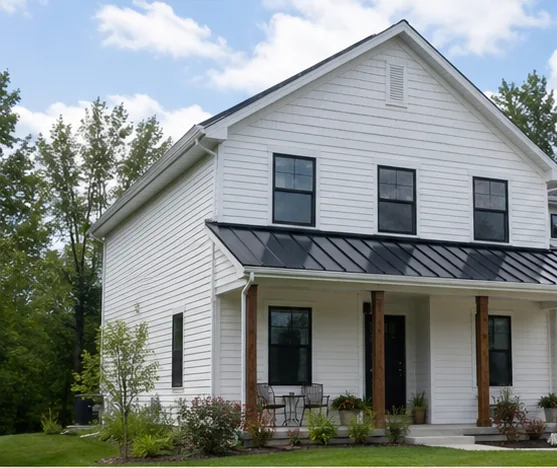
A home inspection in Coon Rapids is not a formality you check off before closing. It is your one chance to understand the real condition of a house built on Anoka County sandplain, weathered by Minnesota winters, and often dating to the 1960s through 1980s boom of ramblers and split-levels north of the Twin Cities. A thorough inspection walks the roof, the foundation, the electrical panel, the furnace, the plumbing, and the grounds, then tells you in plain English what works, what is worn, and what could cost you. This guide explains exactly what a competent inspection covers here along the Mississippi River corridor, why local conditions like elevated radon, ice dams, and aging FPE panels matter, and how to get a free instant quote online before you commit.
In this guide
The Structure, Foundation, and Anoka Sandplain SoilsRoof, Attic, Ice Dams, and Storm DamageElectrical: FPE, Zinsco, and Old Fuse BoxesHeating, the Furnace Heat Exchanger, and CoolingPlumbing, Clay Sewer Laterals, and Water HeatersRadon, the Exterior, and the GroundsThe Structure, Foundation, and Anoka Sandplain Soils
Coon Rapids sits on the Anoka sandplain, a broad bed of glacial outwash sand and gravel left behind by the last ice age. That soil drains fast, which is generally good for foundations, but it also shifts and settles differently than the heavy clays found elsewhere in the metro. An inspector evaluates the foundation walls, footings, and floor slab for cracks, bowing, water staining, and signs of past movement. In the 1960s-80s ramblers and split-levels common throughout the city, poured concrete and concrete block foundations are typical, and hairline shrinkage cracks are normal while horizontal or stair-step cracks deserve attention. The inspector checks the grade around the home, since sandy soil near the Mississippi can let surface water track toward the foundation when grading is flat or negative. Riverfront and low-lying properties near Coon Creek and the river get extra scrutiny for moisture intrusion, sump pump operation, and drain tile. Beams, joists, posts, and the rim joist are examined for rot, insect damage, and undersized or modified framing from past basement finishing. You leave knowing whether the bones are sound or whether settlement and water are working against the house.
Roof, Attic, Ice Dams, and Storm Damage
Roofs take a beating in the northern metro. Coon Rapids sits in a corridor that sees repeated summer hail and straight-line wind events, and many homeowners have filed storm claims over the years. An inspector examines shingles for hail bruising, granule loss, wind-lifted tabs, and the age-related curling and cracking that signals a roof nearing the end of its 18-to-25-year life. Flashing at chimneys, valleys, and plumbing vents is a frequent leak source. Just as important is what happens in winter. The attic is inspected for the insulation depth and ventilation balance that prevent ice dams, the thick ridges of ice that form at the eaves when heat escapes, melts snow, and refreezes. Ice dams back water up under shingles and into ceilings and walls, and the resulting stains, mold, and rotted decking show up in attics across older Coon Rapids housing stock. The inspector looks for bath fans venting into the attic instead of outside, blocked soffit vents, missing baffles, and frost or moisture staining on the underside of the deck. You get a clear read on roof life expectancy and whether the attic is set up to survive another Minnesota winter.
Electrical: FPE, Zinsco, and Old Fuse Boxes
Electrical safety is one of the most valuable parts of an inspection here, because so much of Coon Rapids was wired during decades when now-discredited equipment was installed. The inspector identifies the panel manufacturer and flags two notorious brands: Federal Pacific Electric (FPE) Stab-Lok panels and Zinsco panels. Both have well-documented histories of breakers that fail to trip under overload, creating a fire hazard, and many insurers will not write a policy on a home that still has one. Older homes may still have a fuse box rather than breakers, which is not inherently unsafe but is often undersized for modern electrical loads and tied to outdated wiring. The inspector checks service amperage, grounding and bonding, the condition of the panel interior for scorching or double-tapped breakers, and a representative sample of outlets and switches. GFCI and AFCI protection is verified in kitchens, bathrooms, garages, and exterior locations. Knob-and-tube and aluminum branch wiring, while less common here than in the oldest Minneapolis neighborhoods, are noted where present. This portion of the report frequently shapes both your safety and your insurability, so it deserves your full attention.
Heating, the Furnace Heat Exchanger, and Cooling
Heat is not optional in Anoka County, and the furnace is one of the costliest systems to replace, so inspectors give it careful attention. Many Coon Rapids homes still run furnaces that are well past 15 to 20 years old, and the single most important concern is a cracked heat exchanger. The heat exchanger is the metal barrier that separates combustion gases, including carbon monoxide, from the air circulating through your home. Cracks let dangerous gases mix with breathable air, and a furnace with a confirmed cracked exchanger is typically condemned and shut off. An inspector operates the furnace, checks the flame characteristics, inspects accessible portions of the exchanger, looks at the venting and combustion air, and notes the age and service history when visible. Because much of the exchanger is hidden, the inspector will recommend a specialized HVAC evaluation when there are warning signs rather than guess. The air conditioning is tested when outdoor temperatures allow, and the inspector reviews the condenser, refrigerant lines, and the differential between supply and return air. You learn how much life is left in systems that can cost thousands to replace in a single Minnesota cold snap.
Plumbing, Clay Sewer Laterals, and Water Heaters
Plumbing in older Coon Rapids homes carries hidden risks that a visual inspection of fixtures alone will miss. The buried sewer lateral, the pipe carrying waste from the house to the city main, is frequently made of clay tile in homes from this era. Clay joints invite tree root intrusion, and roots are a leading cause of backups and the expensive repairs that follow. A standard inspection does not include a camera scope of the lateral, but a good inspector will recommend a separate sewer scope on older homes and on lots with mature trees, which describes much of the city. Inside the home, the inspector identifies supply piping material, looks for galvanized steel that is corroding and restricting flow, checks for active leaks under sinks and around the water heater, and tests functional flow and drainage at fixtures. The water heater is evaluated for age, proper temperature-and-pressure relief valve and discharge line, corrosion, and safe venting, since an aging tank can fail without warning. Many homes here are on city water and sewer, but private wells exist on the edges of the service area and warrant water testing. The report tells you where the plumbing stands today and what to budget for next.
Radon, the Exterior, and the Grounds
Minnesota has some of the highest radon levels in the country, and Anoka County is squarely in the elevated zone, with a large share of homes testing above the EPA action level of 4 picocuries per liter. Radon is a naturally occurring radioactive gas that seeps up from the soil, and the same porous Anoka sandplain that drains so well also lets radon move easily into basements. A home inspection does not always include a radon test by default, but it is strongly recommended here and is often added at the time of inspection using a continuous monitor placed in the lowest livable level. If a mitigation system is already installed, the inspector confirms it is operating. Outside, the inspector evaluates siding, windows, decks, grading, walkways, the driveway, and the garage, paying attention to rot-prone wood near grade and to retaining walls on sloped riverfront lots. Decks get checked for proper ledger attachment and footings that resist frost heave, a real concern given Minnesota's deep frost line. The exterior tells the story of how water and weather have treated the home, and it rounds out a full picture of your future maintenance.
Quick checklist
- Confirm the electrical panel brand and ask specifically about FPE Stab-Lok, Zinsco, or an old fuse box that could affect insurance
- Add a radon test, since Anoka County frequently exceeds the EPA action level of 4 pCi/L
- Schedule a separate sewer scope on older homes or lots with mature trees to check clay laterals for root intrusion
- Have the furnace heat exchanger evaluated and the appliance ages noted, given long, cold Minnesota winters
- Inspect the attic for insulation depth, ventilation, and ice dam evidence at the eaves
- Check the roof for hail bruising, wind damage, and remaining shingle life after repeated metro storms
- Review foundation, grading, and drainage on the porous Anoka sandplain, especially near the Mississippi River and Coon Creek
- Verify GFCI and AFCI protection in kitchens, baths, garages, and exterior outlets
- Identify supply piping for corroding galvanized steel and confirm safe water heater venting and relief valve
- Attend the inspection in person so you can see the issues and ask questions in real time
Know exactly what you are buying before you sign in Coon Rapids. Build your free instant quote online in under a minute and lock in a thorough, local inspection that covers everything from the panel to the sewer lateral.
Run Your Instant Quote