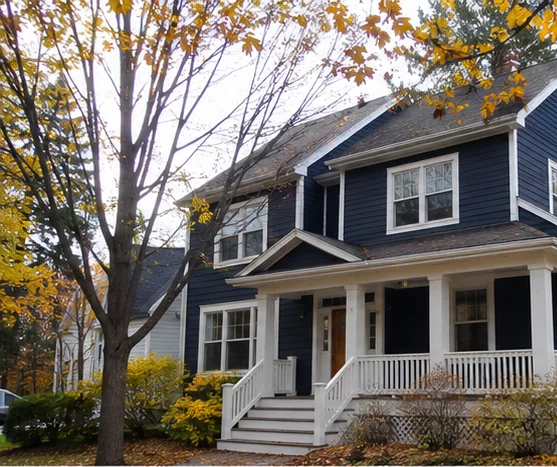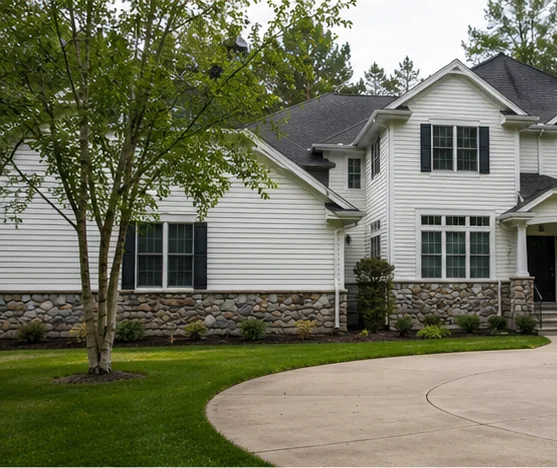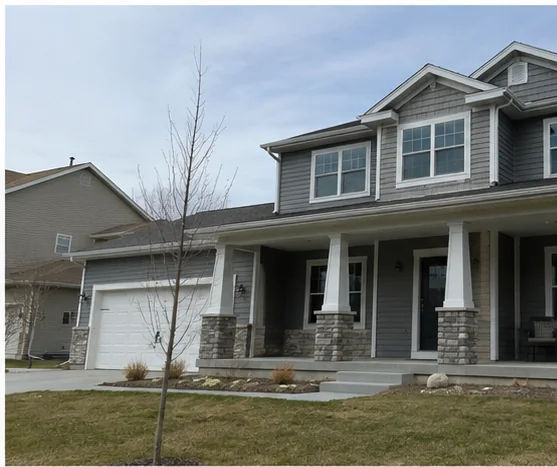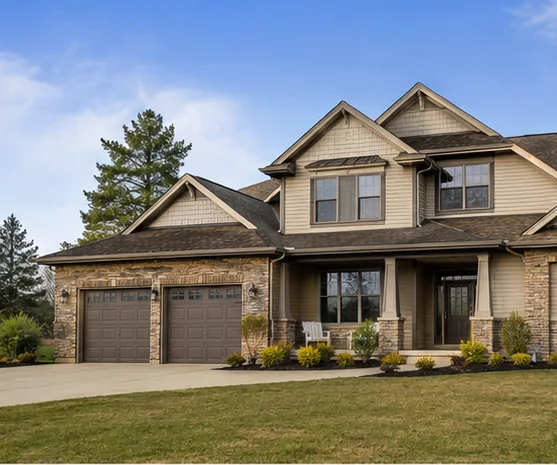
The Crooked Lake area in northwest Coon Rapids, centered on Crooked Lake and its popular park and beach off Crooked Lake Boulevard, blends established lakeside homes with surrounding 1970s and 1980s subdivisions. Lake access and mature trees give the neighborhood a settled, sought-after feel. For buyers, the combination of lakefront and lake-adjacent lots means paying close attention to drainage, the high water table near the shoreline, and the aging systems typical of homes built during this stretch of the city's growth.
Homes immediately around Crooked Lake range from original lake cottages and ramblers to split-level and split-entry homes built as the surrounding subdivisions filled in through the 1970s and 1980s. Split-entry and split-level designs are everywhere in this part of Coon Rapids, and they bring predictable inspection items: lower-level moisture, beam and post conditions at the split, and stairwell and railing safety that may not meet current expectations.
Proximity to the lake makes water the leading issue. Lots closer to the shoreline can have a seasonal high water table, so basements and lower levels should be checked carefully for moisture staining, efflorescence, musty odor, and the presence and function of a sump pump with a reliable discharge. Grading and gutter discharge should move water away from the foundation, and on a lake lot that drainage path matters even more. The surrounding sandplain soil drains well overall, which is an advantage, but it does not protect a home with poor grading or a failed sump.
Radon is a consistent finding throughout the Crooked Lake area, as it is across Anoka County. Many homes of this era have finished lower levels with no radon mitigation, so a measurement test is worth requesting, along with confirmation that any installed system is operating.
Electrical and mechanical age is the other theme. Homes from the 1970s may contain Federal Pacific or Zinsco panels that inspectors routinely recommend replacing, along with the occasional ungrounded outlet or aluminum branch concern. Furnaces and water heaters that are original or near it should be evaluated, including a heat-exchanger check for cracking, which is a carbon monoxide concern. Clay sewer laterals on these older treed lots are susceptible to root intrusion, making a sewer scope a smart investment near the lake.
Roofs in the area take the same hail and wind hits seen across the north metro, and the steeper rooflines on split designs are prone to ice dams. Look at shingle condition, storm bruising, attic insulation depth, ventilation, and whether bath and kitchen fans vent fully to the exterior.
A Crooked Lake inspection should center on lower-level moisture, drainage on lake-adjacent lots, radon, aging electrical and heating systems, and the sewer line. With those answers in hand, you can buy near the lake with confidence.
Buying near Crooked Lake? Build your free, instant inspection quote online and get pricing for your home in minutes.
Run Your Instant Quote