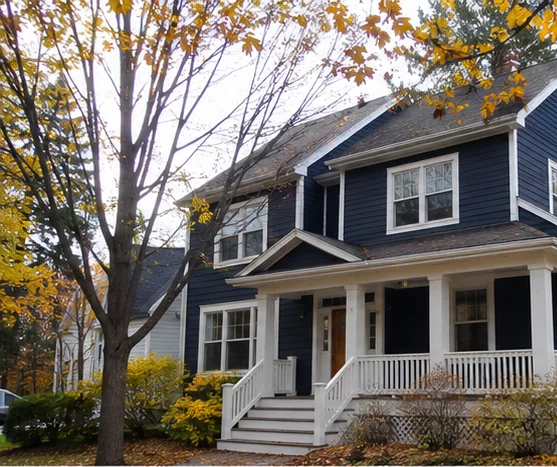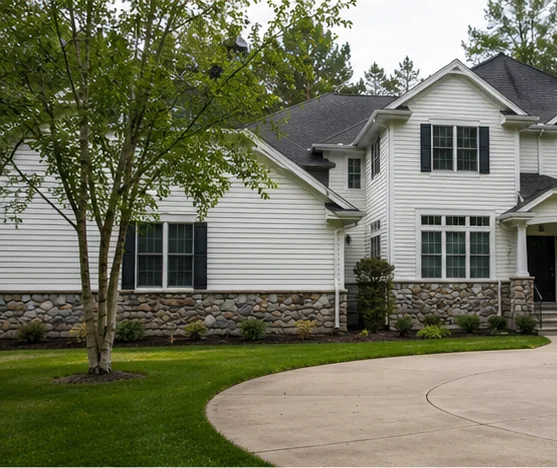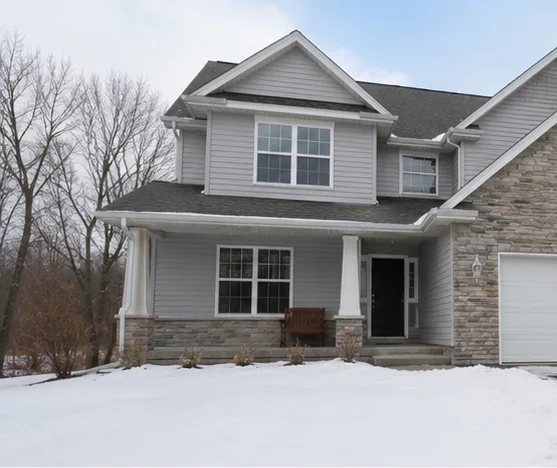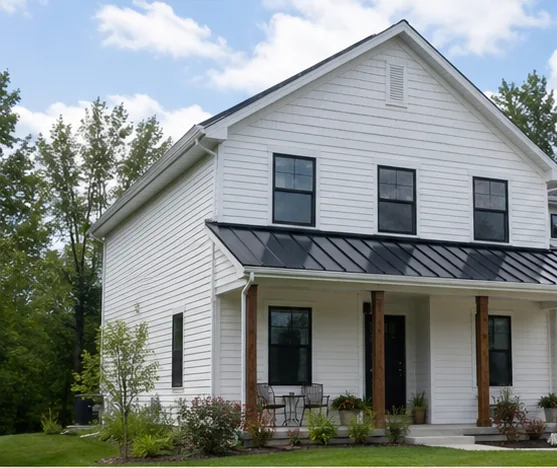
Ramblers and single-level homes are the backbone of Coon Rapids housing. Driving through neighborhoods off Coon Rapids Boulevard, Hanson, and the older plats near the Mississippi River, you see street after street of 1960s through 1980s one-story homes built on the flat Anoka sandplain. They are popular for good reason: no stairs, simple rooflines, and approachable maintenance. But a long, low single-level home spreads every system out horizontally, which changes what a home inspection should focus on. The roof runs are longer, the foundation perimeter is bigger, original mechanicals from the build era are often still in place, and the sandy soils and high water table of Anoka County create their own quirks. This page explains what a careful, type-specific inspection of a Coon Rapids rambler actually looks at and why it matters here.
Foundation, Slab, and Crawl Space on Anoka Sandplain Soils
Coon Rapids sits on the Anoka sandplain, a broad deposit of glacial outwash sand left by meltwater. Sand drains fast, which is generally kind to foundations, but the water table can sit surprisingly high near the Mississippi and along the Coon Creek corridor. Many local ramblers have full basements; others are built slab-on-grade or over shallow crawl spaces, especially in the lower-lying plats. We inspect the full foundation perimeter, which is longer on a spread-out rambler than on a two-story of the same square footage, so there is simply more wall to evaluate. We look for horizontal and stair-step cracking in block walls, bowing from years of frost and soil pressure, and efflorescence or staining that points to seasonal moisture. On slab homes we check for settlement cracks and signs of moisture wicking up through the slab. In crawl spaces we look at vapor barriers, insulation condition, support posts, and any standing water or musty odor. Because sand can wash and settle around utility trenches, we pay attention to localized settlement near the home and at attached garage slabs, which commonly crack and heave in this soil.
Long Roof Runs, Ice Dams, and Storm Damage
A rambler's footprint produces long, often low-slope roof planes with extended eave lines, and that geometry matters in the northern Twin Cities winter. Long runs and shallow pitches give snowmelt more distance to refreeze at the cold eaves, so ice dams are a recurring problem on Coon Rapids single-level homes. We look for the evidence: stained sheathing and rafters in the attic, water marks at exterior wall-ceiling joints, and ice-and-water shield that may be missing on these build-era roofs. Attic insulation depth and ventilation are central to ice-dam risk, and shallow ramblers often have constricted airflow where the roof meets low side walls, so we evaluate intake and exhaust ventilation closely. This part of Anoka County also takes regular hail and wind, and many roofs show storm bruising, granule loss, lifted or creased shingles, and damaged vents or flashing. We document the layers of roofing, the apparent age, and any signs of prior storm claims so you understand whether a replacement may be near. We note flashing at chimneys and any roof penetrations, which leak long before the field of the shingles fails.
Original 1960s-1980s Systems: Electrical Panels, Furnaces, and Sewer Laterals
Many Coon Rapids ramblers still run on systems from their original build. We flag Federal Pacific Electric (FPE) Stab-Lok and Zinsco panels when we find them, because these brands have well-documented histories of breakers that fail to trip, and they are common in homes of this vintage. We report them honestly as a recognized safety concern warranting evaluation by a licensed electrician, without exaggeration. Heating gets equal attention. Older furnaces, especially mid-efficiency and original units, are prone to cracked heat exchangers, which can leak combustion gases. We inspect the heat exchanger area to the extent it is visible, check for proper venting and combustion air, and look for backdrafting and rust at the flue. We also examine the sewer situation. Homes of this era frequently have clay-tile sewer laterals, and the mature boulevard trees throughout Coon Rapids send roots into the joints of clay pipe, causing slow drains and backups. We cannot see inside the buried lateral during a standard inspection, so when the home is older or shows drainage symptoms, we recommend a separate camera scope before closing.
Radon, Grading, and Riverfront Moisture
Anoka County has elevated radon, and the porous sandplain soil lets radon gas move easily up into homes, so single-level houses with basements or slabs here regularly test above the EPA action level of 4.0 pCi/L. Radon is the leading cause of lung cancer among non-smokers, and we strongly recommend a radon measurement test regardless of whether a mitigation system is already present; existing systems should be verified as working. We also evaluate grading and drainage, which controls so much of a home's long-term health. Sandy yards can erode and settle against the foundation, and we look for negative slope, short or disconnected downspouts, and grade that has crept above the siding. For homes near the Mississippi or in the lower river-adjacent neighborhoods, we factor in flood and high-water-table concerns, looking for past basement moisture, sump pump function, drain tile evidence, and staining that suggests seasonal water intrusion. Honest reporting here means distinguishing a one-time event from a chronic pattern so you can budget realistically.
What we watch for
- Federal Pacific (FPE) Stab-Lok and Zinsco electrical panels common to this era
- Cracked furnace heat exchangers and backdrafting on original 1960s-1980s units
- Ice dams and water staining along the long, low eave lines of rambler roofs
- Hail and wind damage to shingles, vents, and flashing across wide roof planes
- Clay-tile sewer laterals with tree-root intrusion (recommend a camera scope)
- Elevated radon entering through porous Anoka sandplain soils (recommend testing)
- Lower-level and split-entry moisture, grading, and below-grade egress windows
- Block foundation cracking, settlement, and high water table near the Mississippi
- Negative grading, short downspouts, and sump pump or drain tile function
Buying or selling a rambler, split-level, or single-level home in Coon Rapids? Get a clear, type-specific inspection from a local inspector who knows Anoka County homes, with your full report delivered in 24 hours. Build your free instant quote online in under a minute, no phone call needed, and see exactly what your inspection includes.
Run Your Instant Quote