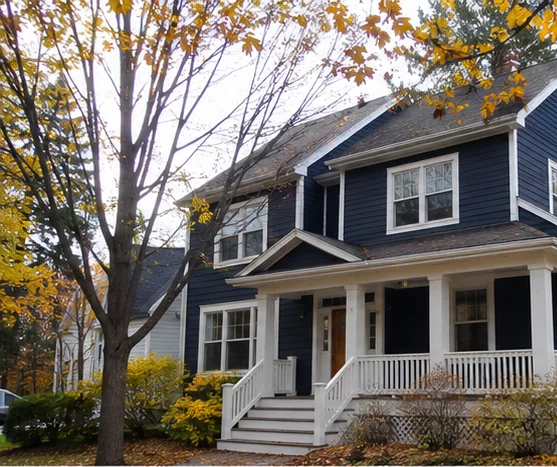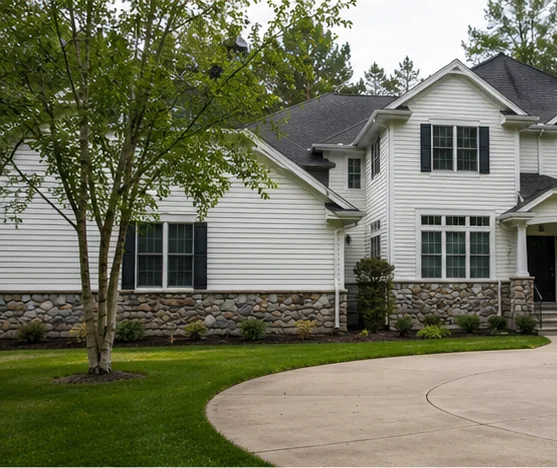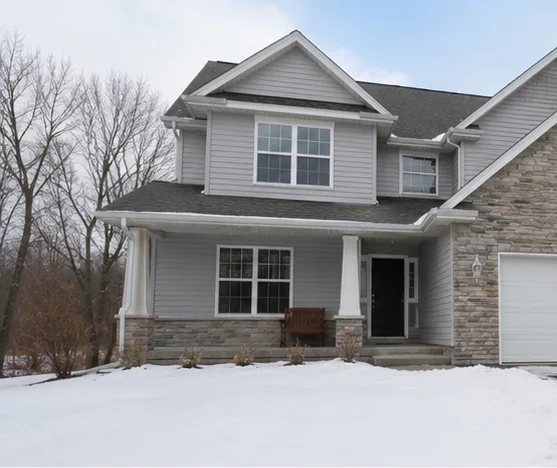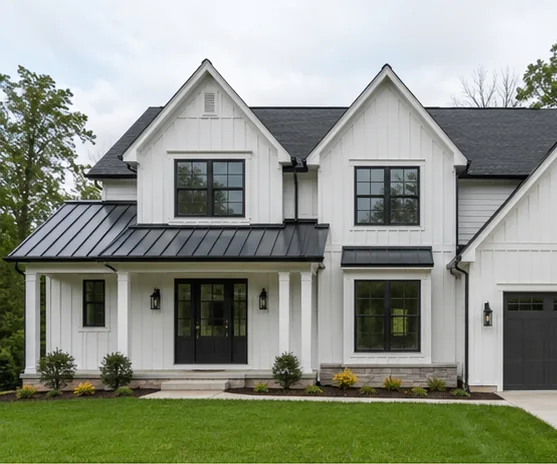
The Coon Creek and Sand Creek corridor winds through central and northern Coon Rapids, following the wooded creek and trail system that runs from Hanson Boulevard out toward Foley Boulevard, Egret Boulevard, and Bunker Hills to the north. Homes here enjoy a secluded, tree-lined setting and trail access, but the creeks, mature trees, and 1970s and 1980s housing stock create a specific inspection profile centered on moisture, drainage, root intrusion, and the aging systems of that building era.
Most homes in this corridor were built from the 1970s through the 1980s, with split-entry, split-level, and rambler designs dominating, plus some later two-story infill. The creek setting is the defining feature for buyers and inspectors alike. Lots backing to Sand Creek or Coon Creek, or sitting in lower areas along the corridor, can experience a seasonal high water table and overland drainage during heavy rain and snowmelt. Lower levels and basements should be examined closely for moisture staining, efflorescence on foundation walls, musty odor, and a sump pump with reliable discharge and ideally battery backup. Grading should slope away from the home, and downspouts should carry water well clear of the foundation.
The heavily wooded character that makes the corridor attractive also drives one of its biggest hidden risks: clay sewer laterals from this era are highly prone to root intrusion and cracking, and mature trees along the creek make root problems more likely. A sewer scope is among the most valuable inspections you can add here, because root blockages and collapsed lines are expensive and easy to miss visually. Mature trees also mean checking for limbs over the roof, deck and retaining wall conditions, and any foundation impact from large nearby root systems.
Electrical and heating systems reflect the homes' age. Federal Pacific and Zinsco panels appear in homes of this period and are commonly flagged for replacement. Furnaces and water heaters that are decades old should be evaluated, with a heat-exchanger check for cracking as a carbon monoxide safeguard. Older split-entry homes also warrant attention to stair safety, railing height, and the beam and post conditions at the level split.
Roofs along the corridor see the same north-metro hail and wind exposure as the rest of the city. Document shingle bruising and granule loss, lifted ridge caps, and any impact on gutters and siding. The steeper split rooflines are prone to ice dams, so attic insulation depth, ventilation, and proper exterior termination of bath and kitchen exhaust fans are worth confirming. Radon is a consistent Anoka County concern; many corridor homes lack mitigation, so a measurement test is advised.
A Coon Creek and Sand Creek inspection should focus on creek-related moisture and drainage, root intrusion in the sewer line, aging electrical and heating, and roof and attic condition. Those few priorities cover the great majority of what buyers encounter here.
Eyeing a home along Coon Creek or Sand Creek? Build your free instant inspection quote online in just a few minutes.
Run Your Instant Quote